How to Start Freelancing as a Student With No Experience in 2026: A Real, Honest Guide
Best High Income Skills for Students in 2026

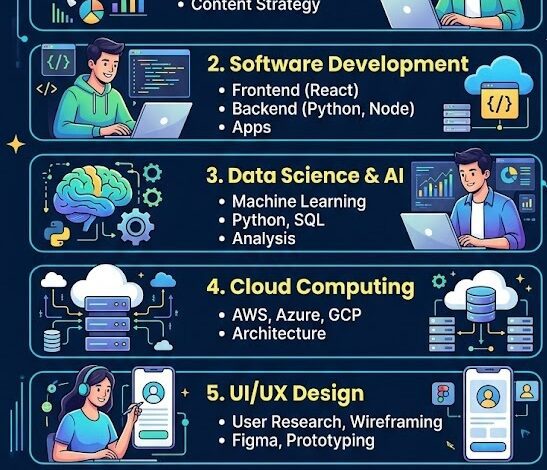
Best High Income Skills for Students in 2026: Your Complete Guide to Earning More Before You Graduate
Let’s be honest. Graduating with a degree is no longer enough. The job market in 2026 is more competitive than ever, and students who only rely on their academic qualifications often struggle to find well-paying jobs right after college. But here is the good news — there are specific skills that employers and clients are willing to pay a lot of money for, and you can learn most of them while still studying.
This guide is for students who are serious about building a financially secure future. Whether you are in your first year of university or about to graduate, learning even one or two of these high income skills can completely change your career path. Some of these skills can help you start earning within 3 to 6 months of consistent practice. Others require a bit more time, but the long-term rewards are absolutely worth the effort.
We have researched the current job market, spoken with hiring professionals, and analyzed industry trends to bring you this honest and practical breakdown of the best high income skills students should focus on in 2026.
Why High Income Skills Matter More Than Ever in 2026
The world of work has changed dramatically. Remote work has become mainstream. Artificial intelligence is automating routine tasks. Companies are now hiring people based on what they can actually do, not just what their degree says. This shift has created a huge opportunity for students who are willing to invest in learning practical, in-demand skills.
High income skills are skills that the market values highly and that not everyone has. When you have a skill that many people need but few people offer well, you have the power to charge more, negotiate better salaries, and even build your own income streams. The beauty of these skills is that most of them can be learned online, often for free or at very low cost, through platforms like YouTube, Coursera, Udemy, and more.
Students who start building these skills early have a massive advantage over their peers when they enter the job market. Not only do they graduate with relevant experience, but many of them are already earning money through freelancing or remote part-time work before they even hold their degree in their hands.
Top High Income Skills for Students in 2026
1. AI Prompt Engineering and AI Tool Expertise
Artificial intelligence is not just a buzzword anymore. It is a tool that businesses are using every single day. But here is something many people do not realize — AI tools are only as powerful as the people using them. This is where AI prompt engineering comes in. Prompt engineering is the skill of writing precise, effective instructions to get the best results from AI tools like ChatGPT, Gemini, Midjourney, and others.
Companies are actively looking for employees and freelancers who understand how to use AI tools productively. From marketing teams to legal firms to educational organizations, everyone wants people who can work smarter using AI. As a student, you can learn the basics of prompt engineering in just a few weeks and start applying it in your coursework, internships, and freelance projects.
Beyond prompt engineering, being genuinely skilled in multiple AI tools — from writing assistants to image generators to data analysis tools — makes you extremely attractive in today’s job market. This skill pairs well with almost every other profession, whether you are in marketing, writing, design, or even healthcare administration.
2. Digital Marketing
Every business in the world needs to reach customers online. That is why digital marketing has become one of the most in-demand skills of this decade. Digital marketing includes a wide range of sub-skills including search engine optimization (SEO), social media marketing, email marketing, paid advertising (like Google Ads and Meta Ads), content marketing, and analytics.
As a student, you do not need to master all of these at once. Picking one area and going deep is a much smarter strategy. For example, learning SEO and content marketing together can lead to very well-paying freelance or agency work. Similarly, mastering Facebook and Instagram advertising can make you a valuable consultant for small businesses and e-commerce brands.
The best part about digital marketing is that you can practice on your own small projects. You can start a blog, manage a social media page, or help a local business for free in the beginning just to build your portfolio. After a few months of hands-on experience, you will have real results to show potential clients or employers — and that is more valuable than any certificate.
3. Web Development and Programming
Web development remains one of the highest paying skills in the world, and that is not changing anytime soon. The demand for skilled developers continues to grow even as AI tools improve, because building complex, functional websites and applications still requires human creativity and problem-solving ability.
For students interested in this path, starting with HTML, CSS, and JavaScript is the recommended route. Once you have a solid understanding of the basics, you can move into frameworks like React or Vue.js for front-end development, or Node.js, Python, and Django for back-end development. Full-stack developers — those who can build both the front-end and back-end of websites — are particularly well-compensated.
Programming skills also open doors beyond traditional web development. You can get into mobile app development, software engineering, data engineering, and more. Even if you are not a computer science student, picking up basic programming skills in Python can significantly boost your employability and your earning potential across many industries.
4. Data Analysis and Data Science
Data is being called the new oil, and for good reason. Every company collects enormous amounts of data, but not every company knows how to make sense of it. Students who can analyze data, identify patterns, and present insights in a clear way are incredibly valuable to organizations.
Data analysis skills include working with tools like Microsoft Excel (at an advanced level), Google Sheets, SQL, Python (with libraries like Pandas and NumPy), and visualization tools like Tableau or Power BI. Data science goes a step further and includes machine learning and statistical modeling, which is more complex but also commands much higher salaries.
You do not need a mathematics degree to get started with data analysis. Many students from business, social sciences, and even arts backgrounds have successfully transitioned into data roles by learning the tools and practicing with real datasets available freely on platforms like Kaggle. Building a portfolio of data projects — even small ones — can open doors to internships and entry-level data analyst positions.
5. Copywriting and Content Writing
Good writing is a timeless skill, and in the digital age, it has become even more valuable. Copywriting is the art of writing persuasive content that motivates people to take action — to buy a product, sign up for a newsletter, or click a link. Content writing, on the other hand, focuses more on educating and informing audiences through blogs, articles, guides, and social media posts.
Both skills are in high demand. E-commerce brands need product descriptions and sales pages. Tech companies need blog content and case studies. Startups need website copy. The list goes on. And with the growth of content marketing, more businesses than ever are investing in quality written content as a long-term strategy to attract customers.
Students who enjoy writing and who are willing to study the psychology of persuasion and the basics of SEO can build a very profitable freelancing career in this space. Starting your own blog (like this one) is a great way to practice, build a portfolio, and eventually attract paying clients.
6. Graphic Design and UI/UX Design
Visual communication is a powerful skill in the digital world. Graphic designers create logos, social media visuals, marketing materials, packaging, and much more. UI/UX designers focus specifically on designing user interfaces for apps and websites that are easy and enjoyable to use.
With tools like Canva becoming mainstream, basic graphic design has become accessible to everyone. But that also means that students who go deeper — mastering Adobe Illustrator, Photoshop, Figma, or Adobe XD — stand out significantly from the crowd. UI/UX design in particular is a high income field because it sits at the intersection of design thinking, psychology, and technology.
If you have a creative eye and enjoy designing things, this skill is worth serious consideration. Many UI/UX designers work as freelancers or remote employees for international companies, and the earning potential grows steadily with experience and a strong portfolio.
7. Video Editing and Content Creation
The demand for video content has exploded. YouTube, TikTok, Instagram Reels, LinkedIn videos, online courses — video is everywhere. And behind every great video is a skilled video editor. Video editing is a high income skill that students can learn relatively quickly using tools like Adobe Premiere Pro, Final Cut Pro, or even DaVinci Resolve (which has a free version).
Beyond editing, content creation as a whole — combining video, scripting, photography, and social media strategy — can become a full career. Many student content creators have built significant income streams through YouTube monetization, brand sponsorships, and selling their own products or courses. Even if you do not want to be on camera, working as a video editor for YouTubers and businesses is a very viable freelancing career.
8. Cybersecurity
As more businesses move online, the need to protect digital systems and data has become critical. Cybersecurity is one of the fastest growing fields in the world, and there is a significant talent shortage — meaning companies are willing to pay premium salaries to hire people who know what they are doing.
Students interested in technology should seriously consider developing cybersecurity skills. You can start with free resources like Google’s Cybersecurity Certificate on Coursera, or work toward industry-recognized certifications like CompTIA Security+ or Certified Ethical Hacker (CEH). These credentials, combined with hands-on practice through platforms like TryHackMe or Hack The Box, can lead to very rewarding careers.
9. Spoken English and Communication Skills
This one might surprise you, but strong communication skills — especially in English — are genuinely a high income skill in many parts of the world. Being able to speak confidently, write professionally, and present ideas clearly gives you a massive advantage in job interviews, client meetings, and leadership roles.
Many talented students miss out on great opportunities simply because they struggle to communicate their value effectively. Investing time in improving your spoken English, public speaking, and professional writing will pay dividends throughout your entire career, no matter what field you end up in.
10. Freelancing and E-Commerce Business Skills
Finally, understanding how to run a freelancing business or an online store is itself a high income skill. This includes knowing how to find clients, write proposals, price your services, manage projects, and handle payments. For e-commerce, it includes product research, store setup (Shopify, WooCommerce), marketing, and customer service.
Students who understand the business side of things — not just the technical skills — are the ones who consistently earn more. You can have great skills, but if you do not know how to market yourself or run a project professionally, you will always be undercharging or struggling to find clients.
How to Choose the Right Skill for You
With so many options, it can feel overwhelming to decide where to start. Here is a simple framework to help you choose the right skill based on your personality, interests, and goals.
| Your Strength | Recommended Skill | Earning Potential |
|---|---|---|
| Creative and visual thinker | Graphic Design, UI/UX, Video Editing | Medium to High |
| Love writing and storytelling | Copywriting, Content Writing, Blogging | Medium to High |
| Good at logic and problem solving | Web Development, Data Analysis, Cybersecurity | High to Very High |
| Interested in business and marketing | Digital Marketing, E-Commerce, Freelancing | Medium to Very High |
| Curious about AI and technology | AI Prompt Engineering, Data Science | High to Very High |
| Strong communication skills | Digital Marketing, Copywriting, Consulting | Medium to High |
Step-by-Step Guide: How to Start Learning a High Income Skill
Step 1: Pick One Skill and Stick to It
The biggest mistake students make is jumping from one skill to another without giving any of them enough time. Choose one skill that genuinely interests you and commit to it for at least 3 to 6 months before deciding if it is right for you. Consistency is more important than speed.
Step 2: Find Free or Affordable Learning Resources
You do not need to spend thousands of dollars on courses to get started. YouTube is full of free, high-quality tutorials. Platforms like Coursera, edX, and Khan Academy offer many free courses. If you want structured learning, sites like Udemy often have sales where courses cost as little as a few dollars. Google also offers free certification programs in digital marketing, data analytics, and IT support.
Step 3: Practice With Real Projects
Learning theory is not enough. You need to practice by doing real things. Build a website. Write sample articles. Create social media graphics. Analyze a real dataset. The more hands-on experience you get, the faster you learn and the stronger your portfolio becomes.
Step 4: Build a Portfolio
A portfolio is proof of your skills. It is what convinces clients and employers to trust you with their projects. Even if your early work is not perfect, it shows that you are capable and motivated. You can showcase your portfolio on a personal website, on Behance (for designers), on GitHub (for developers), or on platforms like Notion or LinkedIn.
Step 5: Start Taking Small Paid Projects
Once you have a few portfolio pieces, start applying for small projects on platforms like Fiverr, Upwork, or Freelancer. Your initial goal should not be to earn a lot of money — it should be to get real client experience, positive reviews, and testimonials that you can use to attract better clients later.
Step 6: Keep Learning and Upgrading
The best professionals never stop learning. Industries evolve, tools change, and new opportunities emerge. Set aside time each week to read industry blogs, watch tutorials, and stay updated on trends in your chosen field. This continuous growth mindset is what separates high earners from average earners over the long run.
Common Mistakes Students Make When Learning High Income Skills
- Trying to learn everything at once: Focus beats scattered effort every time. Pick one skill and go deep before branching out.
- Only watching tutorials without practicing: Watching videos gives you knowledge, but practice gives you skill. Always apply what you learn.
- Waiting until they are “ready” to start freelancing: You will never feel 100% ready. Start with small projects early and grow from there.
- Underpricing their services: Many students charge too little because they feel they are not experienced enough. Research market rates and price yourself fairly from the start.
- Ignoring the business side of freelancing: Skills alone do not pay bills. Learn how to find clients, communicate professionally, and manage your projects efficiently.
- Giving up too soon: Building a high income skill takes time. Most students see real results after 6 to 12 months of consistent effort. Do not quit before then.
- Not building an online presence: In 2026, your digital presence is your resume. Build a LinkedIn profile, a portfolio website, and be active in communities related to your skill.
Tips to Accelerate Your Progress
- Dedicate at least 1 hour every day to learning and practicing your chosen skill, even on busy study days.
- Join online communities on Reddit, Discord, or Facebook where professionals in your field share knowledge and opportunities.
- Find a mentor or accountability partner who is ahead of you in the same skill — their guidance can save you months of wasted time.
- Document your learning journey on LinkedIn or a blog. This builds your personal brand and attracts opportunities naturally.
- Apply for internships or part-time remote roles related to your skill as soon as you feel confident enough — real work experience accelerates growth faster than any course.
- Set specific, measurable goals — for example, “Complete 5 freelance projects in 3 months” or “Earn my first $500 from my skill by month 4.”
Frequently Asked Questions (FAQs)
Q1: Can I learn a high income skill while still studying full-time?
Absolutely yes. Many students successfully learn high income skills alongside their regular studies by dedicating 1 to 2 hours per day consistently. It requires discipline and time management, but it is very much achievable. The key is to treat your skill-learning time as seriously as you treat your classes.
Q2: Which high income skill is easiest for beginners to start with?
Content writing and social media management are generally the easiest to get started with because most students already have some writing and social media experience. Canva-based graphic design is also beginner-friendly. However, “easiest” also depends on your personal strengths and interests, so choose accordingly.
Q3: How long does it take to start earning from a high income skill?
This varies based on the skill and how much time you invest. For writing, design, and social media skills, many students land their first paid project within 2 to 4 months of consistent learning. For web development and data science, it typically takes 6 to 12 months before you are ready for paid work. The important thing is to start as early as possible.
Q4: Do I need a certificate to get paid for these skills?
Certificates help, but your portfolio and actual results matter much more. Most clients and employers in the digital skills space care about what you have done and can do — not which certificate you hold. That said, certificates from reputable sources like Google, HubSpot, or Coursera can add credibility to your profile.
Q5: Can I do freelancing while studying without it affecting my grades?
Yes, but it requires strong time management. Many students successfully balance freelancing and studies by working on smaller projects initially and gradually increasing their workload as they get more efficient. During exam seasons, it is perfectly okay to reduce your freelancing commitments temporarily.
Q6: Is it possible to earn a full-time income from these skills as a student?
Some students do reach full-time income levels from their skills, though this is not the norm in the beginning. For most students, the realistic expectation is to earn a meaningful part-time income that helps with expenses while building toward a more lucrative full-time career after graduation. Some students, however, do choose to pursue their skill full-time and earn very well doing so.
Conclusion: Your Future Income Starts with a Skill You Learn Today
The most important thing to take away from this guide is that your financial future is not determined by your degree alone. In 2026 and beyond, the people who thrive will be those who combine their formal education with practical, high income skills that the market genuinely values.
You do not need to be a genius. You do not need expensive equipment or a fancy office. All you need is a genuine desire to learn, a willingness to practice consistently, and the patience to keep going even when progress feels slow. Every professional you admire today started exactly where you are now — as a beginner who decided to take the first step.
Pick one skill from this list that excites you. Set aside time today — not tomorrow, not next week — to begin learning it. Watch one tutorial, read one article, or sign up for one free course. That first step is always the hardest, but it is also the most important.
You have more potential than you realize. Use this time as a student wisely, and you will thank yourself for it in just a year or two from now.
Related Articles You Might Find Helpful:
- How to Start Freelancing as a Student With No Experience
- Best Free Online Courses for Students in 2026
- How to Write a Resume That Gets Noticed by Employers
- Top Remote Jobs for Students You Can Do From Home
- Best AI Tools for Students to Study Smarter in 2026