

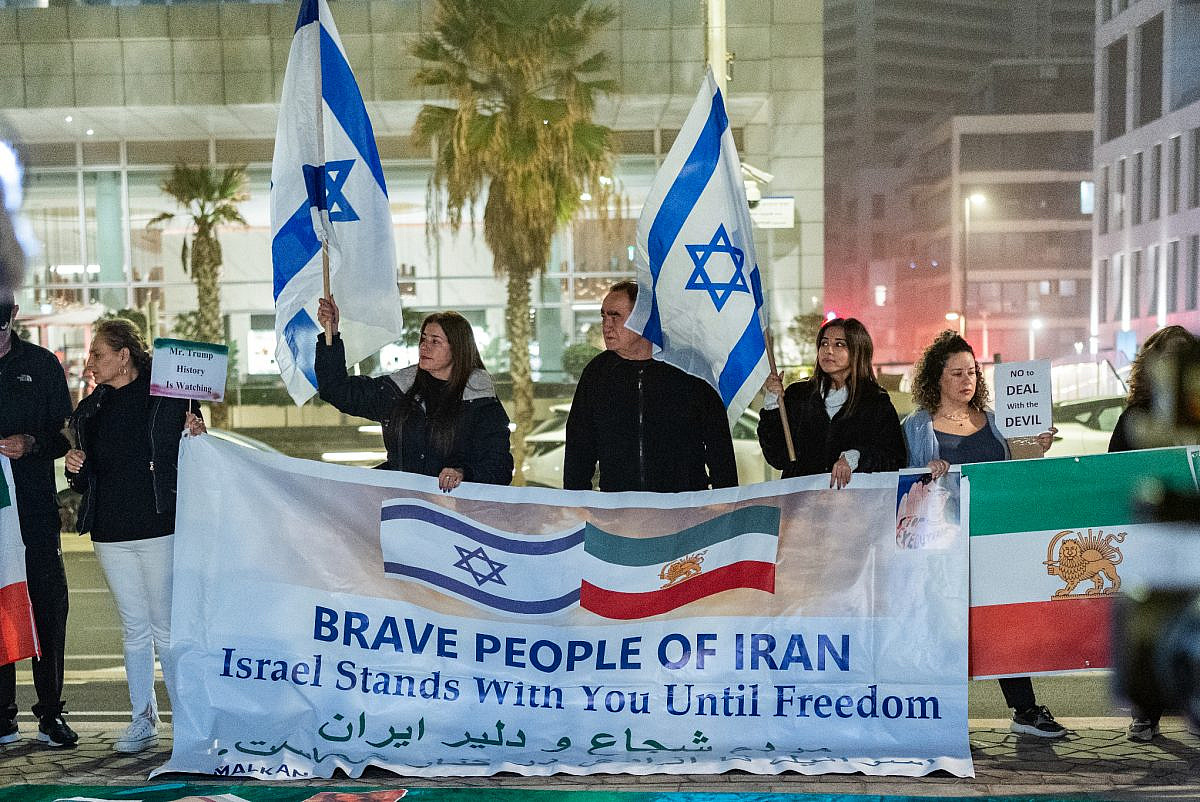
iran War 2026: Iran and Israel Launch Fresh Attacks After Supreme Leader Ali Khamenei Is Killed
The Middle East has entered one of its most dangerous and unpredictable moments in modern history. The reported killing of Iran’s Supreme Leader, Ayatollah Ali Khamenei, during a joint military operation by United States and Israel has triggered a massive wave of retaliation, missile exchanges, and regional instability.
What began as a high-precision strike in Tehran has now evolved into a rapidly expanding Iran-Israel war, with consequences spreading across the Gulf region and beyond.
How the Conflict Escalated
According to multiple international reports, coordinated airstrikes targeted strategic military and political sites inside Tehran. During the operation, Ayatollah Ali Khamenei was killed in his office along with several senior Iranian commanders.
The strike represents one of the most significant escalations in decades of tension between Iran and Israel. For years, both nations have engaged in proxy conflicts, cyber warfare, and covert operations. However, this event marks a direct and open confrontation at the highest political level.
The assassination of a sitting Supreme Leader is not just a military action; it is a geopolitical earthquake.
Iran’s Immediate Response
Within hours of the announcement, Iran vowed what it called “the most devastating offensive operation” in its modern history. Ballistic missiles and explosive drones were launched toward Israeli cities and military positions.
Sirens echoed across Israel as air defense systems intercepted incoming threats. Despite successful interceptions, several residential areas were damaged and casualties were reported.
Iran did not stop there.
Missiles were also reported heading toward Gulf nations, including the United Arab Emirates, Qatar, Bahrain, and Kuwait. Iranian officials claimed they were targeting US military assets stationed in those countries.
This widened the battlefield dramatically.
Impact on the Gulf Region
The Gulf states now find themselves in an extremely sensitive position. Many of them host US military bases while simultaneously maintaining complex diplomatic relations with Tehran.
Airspace across much of the region has been temporarily closed. Major international airlines have suspended or diverted flights. Oil markets reacted immediately, with prices surging due to fears of disruption in energy supply routes, particularly around the Strait of Hormuz.
The economic consequences could be global if the conflict continues to escalate.
Israel’s Position and Military Strategy
Israel has long considered Iran its most serious strategic threat. Israeli officials have repeatedly warned that they would not allow Iran to expand its military capabilities unchecked.
Following the strike on Tehran, Israeli forces intensified their defensive posture. Military officials stated they were prepared for prolonged engagement if necessary.
Israel’s Iron Dome and advanced missile defense systems have been heavily tested in recent hours, intercepting multiple threats. However, no defense system is perfect, and some strikes have penetrated.
The Israeli leadership has emphasized that the operation aimed to neutralize a long-term threat, not to initiate a regional war. Whether that objective holds remains uncertain.
The United States and Political Reactions

The involvement of the United States has added another layer of complexity. The US administration defended the operation as a strategic necessity, arguing that Iran posed an immediate danger.
However, domestically, the decision has sparked debate. Some political figures have expressed concern that this could drag the US into another prolonged Middle Eastern conflict.
Globally, reactions have been divided.
Russia condemned the killing and described it as a violation of international norms. European leaders have called for restraint on all sides. China urged diplomatic de-escalation.
The United Nations has scheduled emergency discussions as fears grow of a broader regional war.
What Happens to Iran’s Leadership Now?
Iran’s political system is structured to ensure continuity even after the death of a Supreme Leader. The Assembly of Experts is responsible for appointing a successor.
However, the real power inside Iran often lies with the Islamic Revolutionary Guard Corps (IRGC). This powerful military institution is expected to play a decisive role in shaping the transition.
Some analysts believe the current crisis could strengthen hardline elements within Iran. Others argue it could create internal instability and even spark protests.
The coming days will determine which direction Iran takes.
Could This Become a Wider War?
The biggest question now is whether this conflict remains contained or spreads further.
If Iran intensifies attacks on US bases, the United States could respond with overwhelming force. If Gulf countries suffer greater damage, they may be pulled directly into the confrontation.
There is also concern about non-state actors aligned with Iran, such as regional militias, potentially opening additional fronts.
History shows that Middle East conflicts can expand rapidly once multiple actors become involved.
Economic and Global Consequences
Energy markets are watching closely. Any disruption to oil shipments through the Strait of Hormuz could send shockwaves through global economies.
Stock markets have already shown signs of volatility. Investors fear uncertainty and instability.
Beyond economics, there is also the humanitarian cost. Civilians in Tehran, Tel Aviv, and other cities are living under the threat of missiles and airstrikes.
Wars are not fought only by governments — they are endured by ordinary people.
A Defining Moment for the Region
The killing of Ayatollah Ali Khamenei has reshaped the political landscape of the Middle East overnight.
For Iran, this is both a moment of crisis and a test of institutional resilience.
For Israel, it represents a bold and risky strategic move.
For the United States, it could either be seen as a decisive action or the beginning of deeper entanglement.
The Iran War 2026 is no longer a shadow conflict. It is now visible, explosive, and unfolding in real time.
The world watches anxiously as the next chapter begin






Leave a Reply