

The Guardian is one of the most widely recognized and influential newspapers in the world, known for its independent journalism, global readership, and digital prominence. Founded over 200 years ago, The Guardian continues to shape public opinion, break major stories, and adapt to changing media technologies.
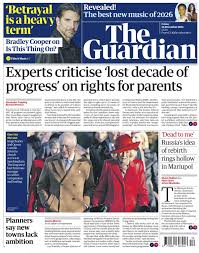
This article explores The Guardian’s history, editorial model, online impact, controversies, and relevance in the current digital news ecosystem — all in a format optimized for search engines.
What Is The Guardian?
The Guardian is a British daily newspaper headquartered in London, originally founded in 1821 in Manchester. It was known as The Manchester Guardian until 1959, when “Manchester” was dropped to reflect its national and international reach.
Over the years, The Guardian has developed a reputation for quality investigative journalism, comprehensive international coverage, and editorial independence. It is owned by the Scott Trust, a unique ownership model that aims to protect the paper from external commercial or political pressures.
History & Evolution
Foundation and Early Years
- 1821: Founded in Manchester as The Manchester Guardian.
- It supported liberal reforms and initiated long-term coverage of major 19th-century events, including international conflicts.
National Expansion
- By the mid-20th century, The Guardian had moved to London and transitioned into a major national newspaper in the UK.
- Its ownership structure through the Scott Trust ensured editorial independence, meaning it was managed not for profit, but to sustain uncompromised reporting.
Modern Digital Transition
- The Guardian embraced digital media early, publishing articles online with free access and building a global readership.
- At times in the 2010s, its online audience surpassed millions of monthly users, making it one of the top newspaper websites worldwide.
Editorial Stance & Recognition
The Guardian’s editorial approach is generally centre-left, emphasizing social justice, human rights, and investigative reporting. It has been praised for its factual journalism and depth of coverage on a range of topics including politics, climate, culture, and global affairs.
Reputation & Awards
The Guardian has received international recognition for its reporting on major global issues, including:
- Investigative exposés on government surveillance
- Collaborations on international data journalism projects
- Coverage that impacts global public policy debates
How The Guardian Operates Today
Online Presence
Unlike many traditional newspapers, The Guardian has prioritized its online edition, making news accessible globally without strict paywalls. Its website and apps deliver a wide range of content, from breaking news to in-depth features.
Revenue & Funding Model
Although free to read online, The Guardian encourages voluntary contributions and subscriptions to support its journalism — a model that contrasts with paywalled news outlets.
Global Reach
The Guardian publishes editions that appeal to audiences beyond the UK, including global news, technology coverage, and commentary relevant to international readers.
Contemporary Trends & Challenges
Shift in Digital Traffic
Recent media industry shifts, particularly with search engines integrating AI summaries, have affected how people access news online. Reports suggest major outlets including The Guardian have experienced fluctuations in search-driven traffic due to AI features that summarize news without clicks.
The Guardian’s Response
To adapt, publishers like The Guardian are:
- Developing their own digital tools and AI integrations
- Engaging readers through newsletter formats and apps
- Innovating subscription and revenue strategies
The Guardian in the Age of Google Trends
Many readers search for “The Guardian” on Google Trends because it:
- Publishes up-to-date news on global events
- Appears frequently in Google News results
- Has strong domain authority that boosts visibility in search results
This consistent visibility makes it one of the most searched news brands online, especially around major global events or trending topics.
Table: Key Facts About The Guardian
| Category | Detail |
|---|---|
| Founded | 1821 in Manchester, UK |
| Original Name | The Manchester Guardian |
| Ownership Model | Scott Trust (independent) |
| Type | Daily newspaper & online news portal |
| Editorial Stance | Generally centre-left |
| Global Reach | International digital audience |
| Notable Strengths | Investigative reporting, editorial independence |
| Digital Strategy | Free online access, apps, newsletters |
Why People Trust The Guardian
The Guardian continues to be trusted for several reasons:
- Commitment to fact-checking and accuracy
- Independent governance (not owned by political or corporate giants)
- Long tradition of investigative journalism
- Broad coverage of international events and societal issues
Conclusion
The Guardian is more than just a newspaper — it is a leading global news institution with a long history of independent reporting, digital innovation, and broad cultural influence. From its early days in Manchester to its modern digital presence, The Guardian remains a vital source of news, analysis, and insight, attracting millions of readers worldwide.
As search behavior continues to evolve — especially with tools like Google Trends revealing what topics people care about — The Guardian’s prominence in online news remains significant, underlining its ongoing relevance in the global media landscape.











Leave a Reply